- The Comparison Game: A Race You Can’t Win
Theodore Roosevelt said, “Comparison is the thief of joy,” and nowhere is this truer than on social media. Constantly measuring your life against carefully curated highlight reels can lead to feelings of inadequacy and FOMO (Fear of Missing Out). Remember, behind every perfect Instagram post is probably a stack of dirty dishes just out of frame.
- Career Implications: When Your Twitter Feed Becomes Your Resume
In the age of digital footprints, your social media presence can impact your professional life. Potential employers often screen candidates’ social media profiles. That questionable post from three years ago? It might cost you your dream job.
- Relationships: More Connections, Less Connecting
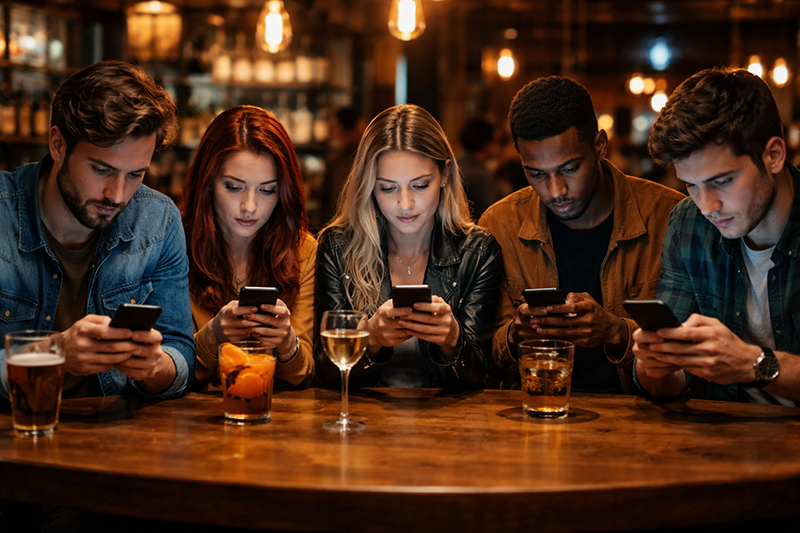
While social media promises to keep us connected, it can paradoxically lead to feelings of isolation. Genuine, face-to-face interactions are crucial for building and maintaining meaningful relationships. No number of likes can replace a good conversation over coffee.
- Mental Health: The Dark Side of the Feed
Studies have shown a correlation between heavy social media use and increased rates of anxiety and depression among young adults. The constant pressure to present a perfect life, coupled with the addictive nature of these platforms, can take a significant toll on mental well-being.
- Productivity: When Procrastination Becomes a Lifestyle
It’s easy to fall into the trap of “just five more minutes” of scrolling, only to realize you’ve lost hours of your day. This can seriously impact work or study performance, leading to missed deadlines and opportunities.
- Sleep Quality: Sacrificing Zzz’s for Likes
Late-night scrolling can disrupt your sleep patterns, affecting both the quantity and quality of your rest. Poor sleep can lead to decreased cognitive function, mood swings, and even long-term health issues.
- Attention Span: The Art of Focus in a World of Distractions
Constant notifications and the habit of quick-scrolling can reduce our ability to focus on tasks requiring sustained attention. This can affect everything from work performance to personal hobbies and relationships.
- Privacy Concerns: When Your Life Becomes Public Domain
In our eagerness to share, we often overlook the long-term implications of putting our lives online. From data breaches to unintended audiences, the information we share can have consequences we never anticipated.
- Physical Health: The Sedentary Scroll
Hours spent hunched over our phones can lead to physical issues like neck strain, poor posture, and decreased physical activity. Your body needs more than just thumb exercises!
- Reality Distortion: When Filters Become Your Reality
Constant exposure to edited and filtered content can distort our perception of reality. This can lead to unrealistic expectations about life, relationships, and even our own appearance.
Finding Balance: The Way Forward
The solution isn’t to become a digital hermit. Social media, used mindfully, can be a powerful tool for connection, learning, and self-expression. Here are some strategies to help find balance:
- Set boundaries: Designate specific times for social media use and stick to them.
- Practice digital detoxes: Regular breaks from social media can help reset your perspective.
- Cultivate real-world relationships: Make an effort to connect with people face-to-face.
- Pursue offline hobbies: Develop interests that don’t require a Wi-Fi connection.
- Be mindful of your mental health: If social media is negatively impacting your well-being, don’t hesitate to seek help.
Remember, your real life is happening right now, not on a screen. Make sure you’re present for it. After all, the most meaningful connections are often made when you look up from your phone and engage with the world around you. Your future self will thank you for the memories you create offline – no filters needed.