- The Comparison Trap
Social media is like a highlight reel of everyone’s best moments. It’s easy for kids to fall into the trap of comparing their ordinary days to others’ extraordinary posts. This constant comparison can lead to feelings of inadequacy and low self-esteem. Remember, nobody posts about their failed math test or bad hair day!
- Sleep? Who Needs It? (Actually, Everyone Does)
Late-night scrolling can seriously disrupt sleep patterns. The blue light from screens can interfere with melatonin production, making it harder to fall asleep. And let’s face it, a cranky, sleep-deprived kid is no fun for anyone.
- The Great Outdoors Becomes the Great Unknown
Too much time on social media means less time for physical activity and outdoor play. Kids need fresh air, sunshine, and exercise for healthy physical and mental development. Plus, building a fort in the backyard is way more fun than building a virtual one in Minecraft.
- Social Skills Take a Hit
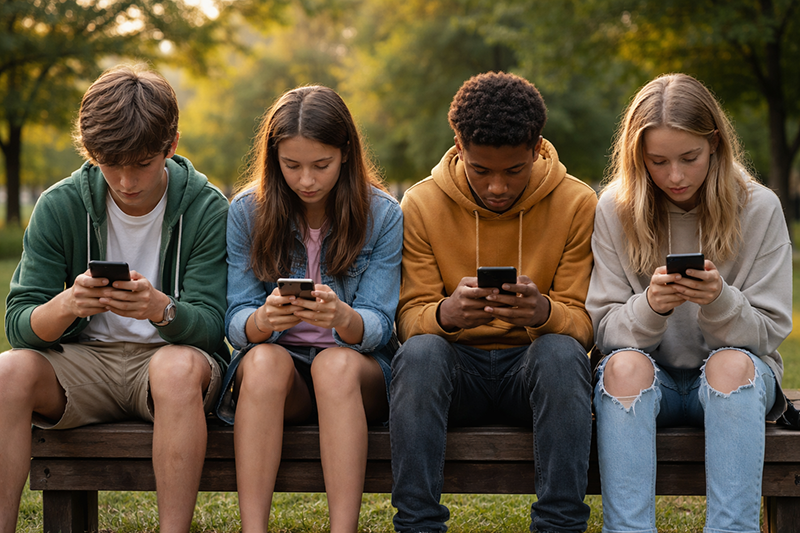
Ironically, too much “social” media can lead to underdeveloped social skills. Face-to-face interactions are crucial for learning empathy, reading body language, and developing meaningful relationships. Emojis are great, but they’re no substitute for real smiles and laughter.
- Cyberbullying: The Dark Side of Social Media
Unfortunately, social media platforms can become breeding grounds for cyberbullying. The anonymity and distance provided by screens can make it easier for bullies to target others, leading to serious emotional and psychological harm.
- Privacy Concerns
Many kids (and adults) don’t fully understand the implications of sharing personal information online. Once something is posted, it can be nearly impossible to completely remove it from the internet. This digital footprint can have long-lasting consequences.
- Academic Performance Suffers
Constant notifications and the temptation to check social media can be major distractions from schoolwork. This can lead to decreased concentration, lower grades, and missed learning opportunities.
- The Addictive Nature of Social Media
Social media platforms are designed to be addictive, with features like infinite scrolling and push notifications that keep users coming back for more. This can lead to compulsive behavior and difficulty disconnecting.
- Missing Out on Real-Life Experiences
While kids might fear missing out on online trends, they’re actually missing out on real-life experiences. Building memories, developing hobbies, and exploring the world around them are crucial parts of childhood that shouldn’t be sacrificed for screen time.
- Mental Health Concerns
Excessive social media use has been linked to increased rates of anxiety and depression in young people. The pressure to present a perfect online image, coupled with the fear of missing out, can take a serious toll on mental health.
So, what’s the solution? It’s not about completely banning social media – that’s like trying to stop a tsunami with a beach umbrella. Instead, it’s about finding a healthy balance. Set reasonable limits on screen time, encourage offline activities, and keep open lines of communication about online experiences.
Remember, the goal isn’t to make your kids social media hermits. It’s to ensure they’re living their best lives in the real world, not just online. After all, the best status update is the one where they’re too busy having fun to post about it!