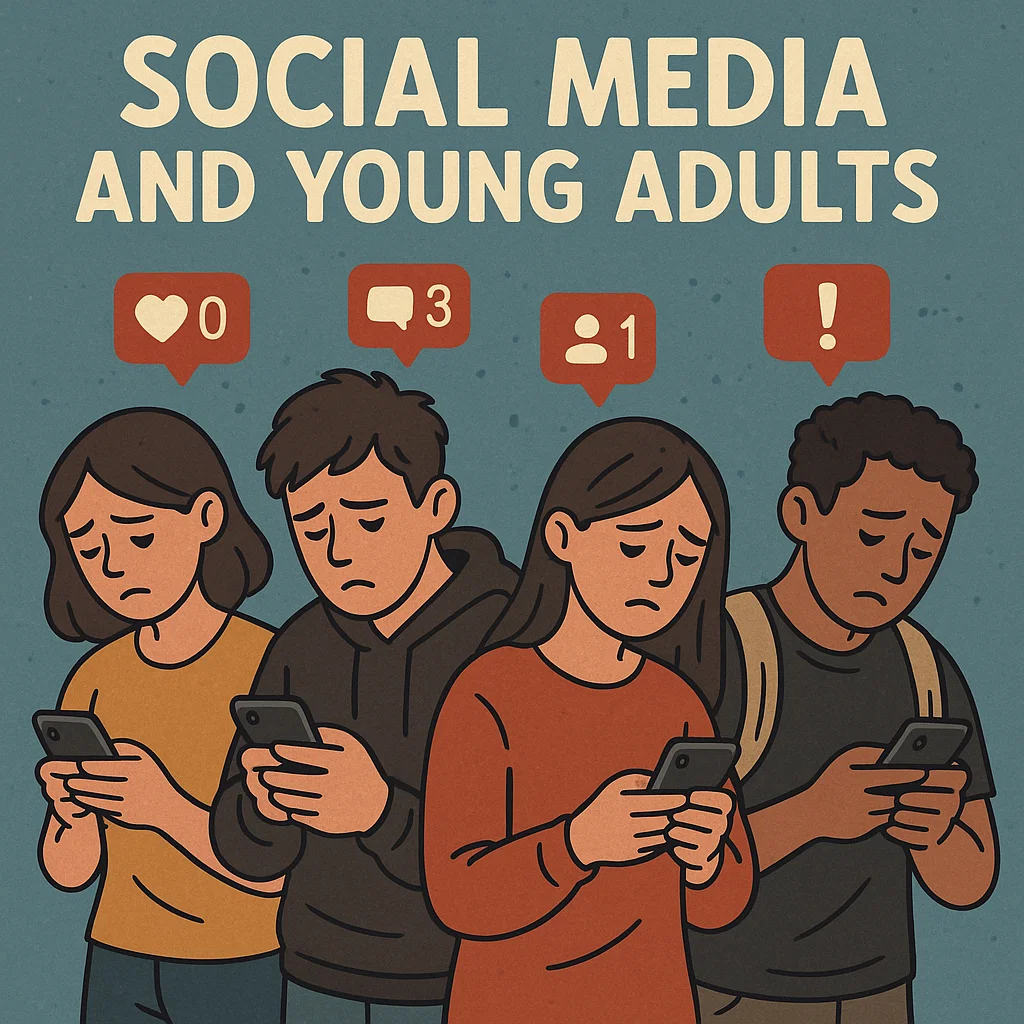
Smartphones have become so deeply woven into modern life that it’s easy to forget how new they really are. As ownership rates keep climbing and more kids get devices earlier than ever, researchers are digging deeper into what this means for our mental health. The answers aren’t simple. But they are starting to show patterns worth paying attention to.
Early Exposure Raises Concern
Recent studies show a clear link between receiving a smartphone before age 13 and higher rates of emotional struggles later in life. That includes increased risks for suicidal thinking, mood instability, and poor impulse control. Some findings even connect early ownership with higher levels of aggression.
But not every study agrees. A few reports suggest that phones might help certain kids feel more socially connected or better informed. It depends heavily on how the device gets used and the environment surrounding the child.
The Bigger Picture
Broadly speaking, smartphones aren’t simply good or bad. They amplify whatever patterns already exist in someone’s life. The impact of early phone use seems more powerful for kids than adults, and certain factors—social media, sleep disruption, bullying—tend to explain most of the negative outcomes.
What the Research Shows
- Children who own phones before age 13 face more mental health challenges in young adulthood
- Results across studies are mixed, with some pointing to benefits, others to serious risks
- Online harassment, poor sleep, and constant social comparison explain much of the damage
Looking at the Numbers
More than 100,000 participants took part in recent studies tracking the long-term mental health effects of early phone access. The findings speak clearly—those who got smartphones at younger ages report more psychological symptoms as they age.
When Kids Get Their First Phone
The average age for receiving a first smartphone keeps falling. In some regions, children as young as five now own personal devices. By middle school, most kids already have one.
- Phones often given for safety or contact during school hours
- Early users tend to adopt adult-like usage patterns quickly
- Developmental differences show up years later
The pandemic accelerated this trend. Remote learning forced many parents to provide phones earlier than planned, sometimes without the chance to set limits or supervise usage well.
How Time Gets Spent
Daily phone usage continues to rise among children, teens, and adults. Most young people now spend several hours each day on their devices. The breakdown of that time says a lot.
Common Usage Patterns
- Browsing social media
- Playing games or watching videos
- Completing schoolwork with educational apps
- Messaging friends or family
Late-night screen time is a growing concern. Many teens use phones in bed, often for hours. This cuts into sleep quality and may raise anxiety levels the next day.
Studies from multiple institutions, including the University of South Florida, show both positive and negative outcomes tied to how smartphones get used. The picture is complex, but usage patterns do seem to matter more than just owning a device.
Mental Health Correlations
Children who got smartphones early—especially before turning 13—show higher rates of mental health issues once they reach adulthood. Symptoms include anxiety, depression, suicidal thoughts, and disturbed sleep.
Specific Outcomes by Condition
| Mental Health Symptom |
Connection to Early Phone Use |
| Suicidal thoughts |
Much more common |
| Depression |
Higher likelihood |
| Anxiety disorders |
More frequent |
| Sleep issues |
Ongoing disruption |
| Aggressive behavior |
More prevalent |
The younger the child at the time of ownership, the more severe the effects. Kids who received a smartphone at age five scored lowest in overall emotional wellbeing.
Social media appears to explain about 40 percent of the mental health decline tied to early phone use. Bullying, family conflict, and poor sleep explain much of the rest.
Not All Negative
It’s not all bad news. Smartphones can support mental health in the right context. They offer access to mental health resources, improve social connection, and help with self-expression.
Benefits for Social Confidence
Some teens feel more comfortable communicating by text or video than in person. This gives them a way to connect without social anxiety. Others find friends online who share their interests or challenges.
Positive feedback through likes or comments can build confidence. For teens who feel isolated, group chats and direct messages provide daily social touchpoints.
Smartphones also help teens express creativity. They share photos, videos, and personal reflections with peers, which can build a sense of identity and belonging.
Digital Tools for Wellness
Many people now use apps to support mental health. These include guided meditation, breathing exercises, and tools for mood tracking. Some apps help users identify negative patterns before they escalate.
Benefits include:
- On-demand stress relief tools
- Mood tracking for personal insight
- Educational content on mental health
- Emergency contact access
- Crisis intervention when needed
For people in rural or underserved areas, smartphones offer the only practical link to mental health support. Telehealth therapy is now common, and peer support groups thrive on digital platforms.
Risks and Downsides
Of course, there are clear downsides. Smartphones have been linked to anxiety, depression, and sleep disruption. Excessive screen time also crowds out physical activity, which makes mental health worse over time.
Signs of Dependency
Phone addiction is real and growing. Some people check their phones over 100 times a day. Many feel panic when their battery dies. Others use their devices during inappropriate moments, like in class or while driving.
Common symptoms:
- Fear of missing out
- Restlessness without phone nearby
- Reduced attention span
- Ignoring people around them
Teens who use their phones to cope with stress may get trapped in a loop. The more overwhelmed they feel, the more they reach for their phones. But the phone use often deepens the stress.
Social Media’s Role
Platforms like Instagram, TikTok, and Snapchat play a major role in shaping young people’s mental states. Girls report more negative effects than boys, often tied to self-image and peer comparison.
Data shows:
- Girls are twice as likely to say social media harms self-esteem
- Passive browsing increases anxiety more than active chatting
- Public posting raises stress about feedback and image
Cyberbullying has become constant. For many teens, harassment doesn’t stop when school ends. It follows them home. Group chats, exclusion, rumor spreading, and unwanted sharing of personal content all create ongoing harm.
Data, Detection, and Digital Traces
Smartphones collect vast amounts of data about behavior. This includes how often you use apps, when you sleep, how far you travel, and how quickly you type.
These “digital traces” can now reveal warning signs of mental health changes before a person even notices them.
| Data Type |
What It Can Reveal |
| Screen time |
Avoidance or compulsive patterns |
| Movement data |
Signs of depression |
| Text frequency |
Shifts in social behavior |
| Voice patterns |
Mood swings or tension |
| Sleep data |
Signs of anxiety or burnout |
This tech opens new doors for early intervention, but it also raises big questions about privacy and consent. Not all users know how much they’re sharing. Rules around this kind of data are still catching up.
Emotions Drive Usage
People don’t just scroll for fun. Their moods shape how they use their phones.
Stress, fear, loneliness, or sadness often push people toward their devices. These moments of intense emotion lower self-control. People seek relief through screens.
Even joy or excitement can create patterns of overuse. If a device helps you feel better, you’re likely to return to it. The habit forms quickly.
Some examples:
| Daily Trigger |
Mental Response |
Phone Habit |
| Academic pressure |
Anxiety spike |
Browsing to escape |
| Social isolation |
Sadness |
Social media surge |
| Sleeplessness |
Irritability |
Nighttime scrolling |
| Boredom |
Restlessness |
Constant checking |
Age Differences and Pandemic Effects
Teens remain the most affected group. Adolescents show the strongest link between phone use and mental health problems, especially around social media and peer comparison.
Breakdown by group:
- Adolescents: Most sensitive to cyberbullying and peer pressure
- Young adults: Face sleep loss from late-night usage
- Adults: Deal with work stress from constant availability
- Seniors: Less affected, but increasing adoption may shift patterns
The COVID-19 pandemic changed everything. People of all ages leaned harder on phones for work, school, and social life. Lockdowns blurred the line between helpful and harmful screen time.
What Needs to Happen Next
The science around smartphones and mental health is still evolving. Researchers want more long-term data and better tools to detect early warning signs without invading user privacy.
Meanwhile, schools and parents need clear guidance on how and when to allow smartphone access.
Policy suggestions include:
- Gradual introduction of phone privileges based on age
- Stricter age checks for social media platforms
- Mental health education focused on digital habits
- Stronger privacy laws for app developers and tech firms
Healthcare providers must also learn how to use digital data responsibly. The goal isn’t to eliminate phones. It’s to use them well—and to protect vulnerable users from their worst effects.